PROJECTS AND PRIORITIES
The International Course on Wood Conservation Technology
The ICWCT has been held every other year since 1984 in cooperation with ICCROM (The International Centre for the Study of the Preservation and Restoration of Cultural Property) and NTNU (the Norwegian University of Science and Technology).
The International Course on Wood Conservation Technology 2026 – Buildings and Objects of Faith
The ICWCT is held every other year in cooperation with ICCROM (The International Centre for the Study of the Preservation and Restoration of Cultural Property) and NTNU (the Norwegian University of Science and Technology).
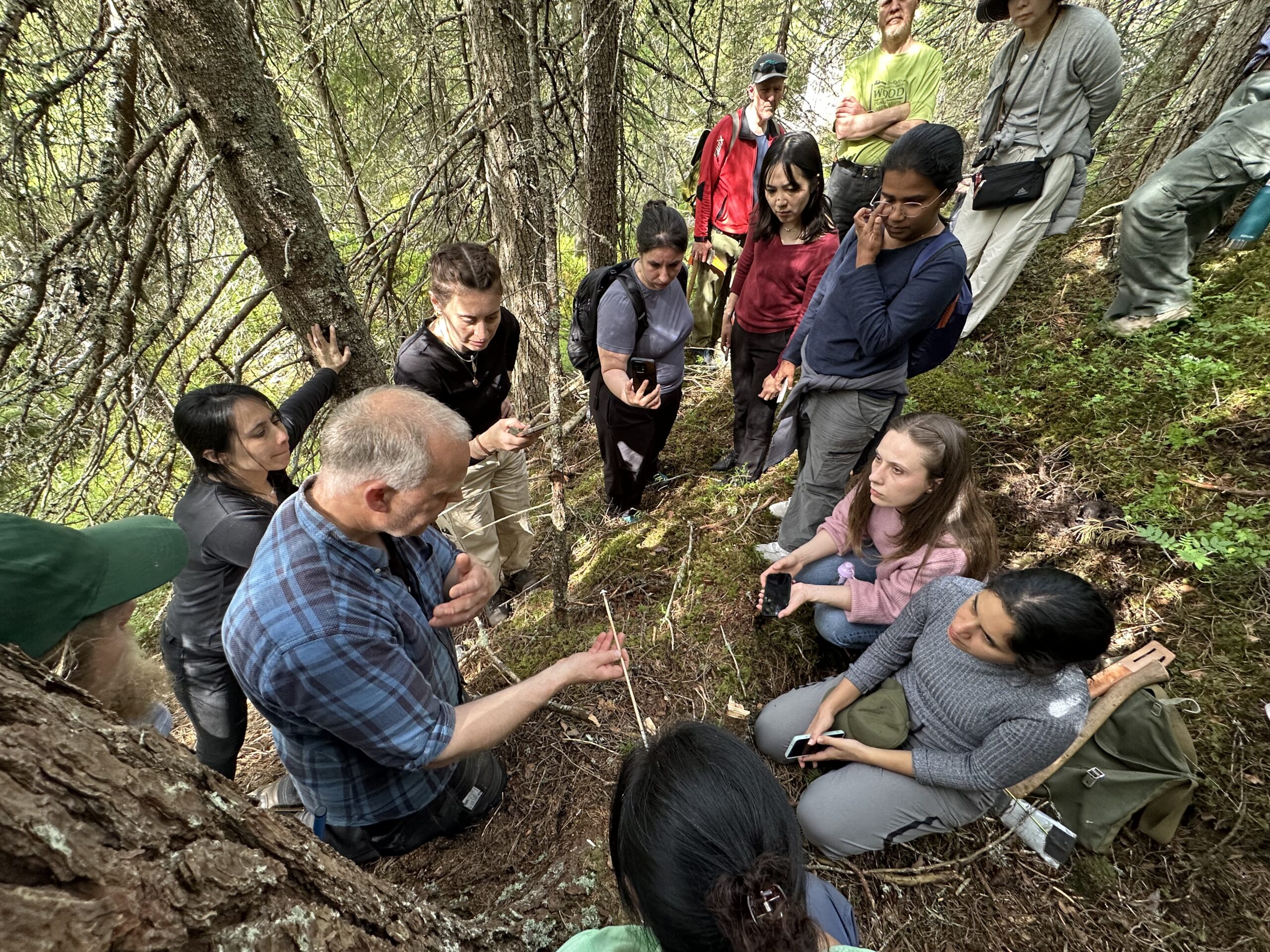
This year’s course was held in two parts, with online teaching from March 23 – June 1, followed by on-site training in Norway from June 8 – June 24, 2026. 22 participants from 18 different countries participated and successfully completed this intense and unique learning experience.
The aim of the ICWCT is to promote cultural understanding and research in the field of wood conservation, and to be a resource for the work of the individual participant. The course is directed towards mid-career professionals; architects, engineers, object conservators and craftsmen who have been working for some years within the field of wood conservation.
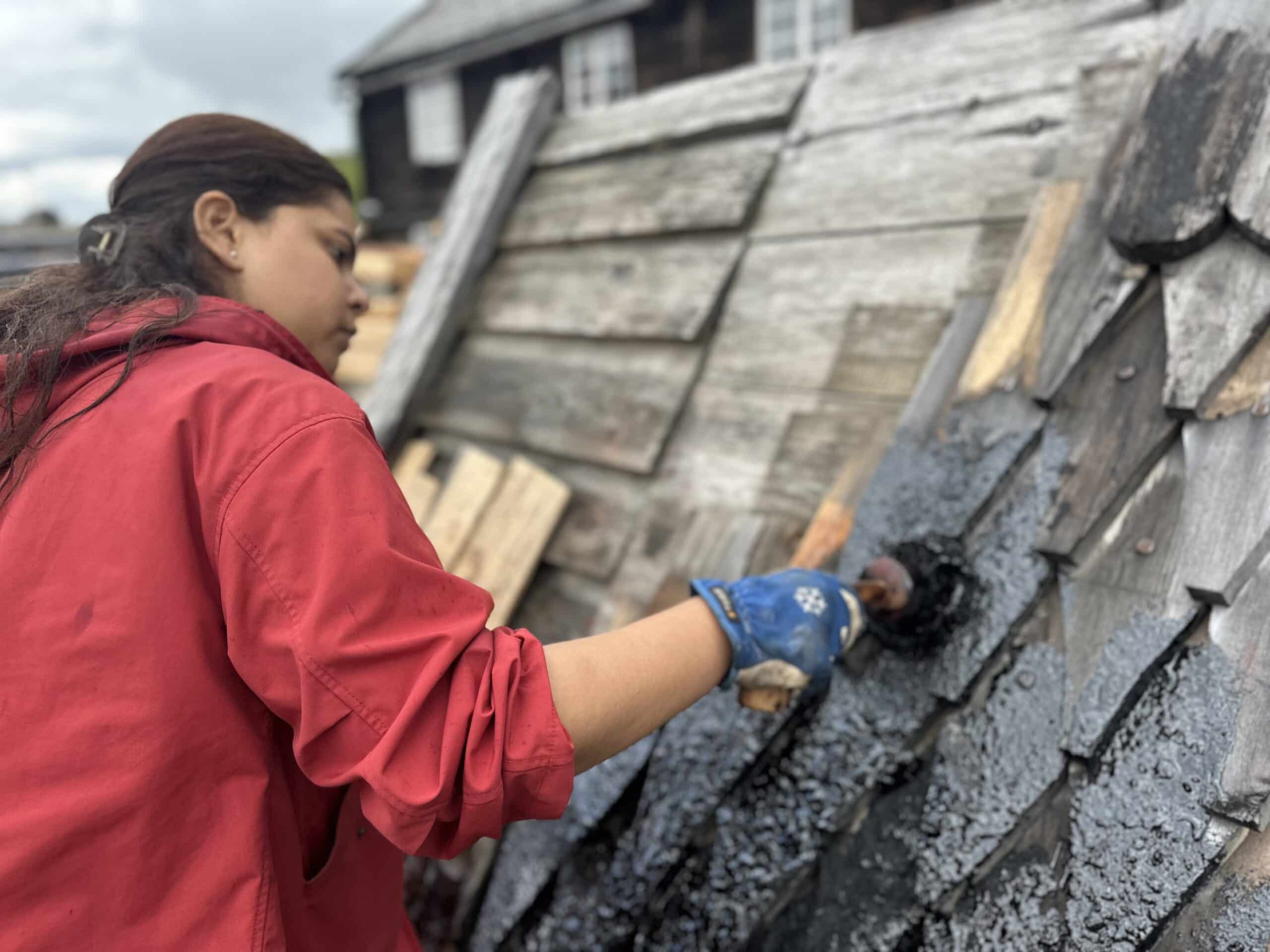
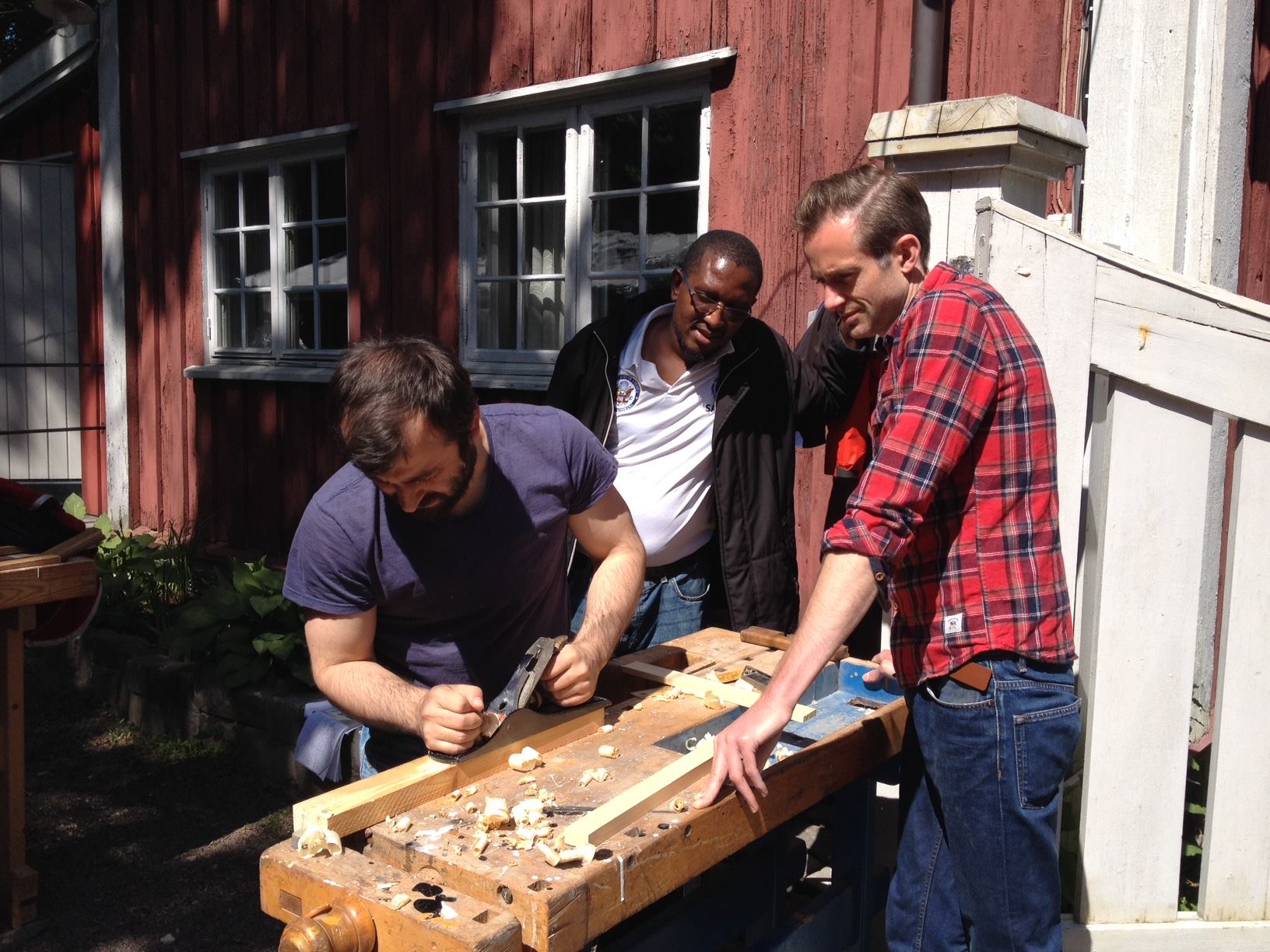
The curriculum of the ICWCT is structured into distinct but interconnected units covering conservation theory and principles; properties of wood; biodeterioration, decay and damage caused by fungi and insects; preventative conservation and climatology; climate change and its effect on wooden cultural heritage; and the conservation of wooden objects and furniture, buildings, and structures.
This year’s course had a special focus on buildings of faith. These buildings represent some of the world’s oldest and most remarkable surviving wooden buildings, yet they often present unique challenges and complex issues associated with respecting both tangible and intangible values. In this first thematic ICWCT, we explored different approaches to the conservation and use of these buildings worldwide – both in the analysis of the exteriors as well as the often-complex interiors including wooden furniture, artefacts, sculptures and art.
Successful completion of the course concludes with an exam giving 15 (ECT) university credits from The Norwegian University of Science and Technology if passed.
The working language of the course is English. A good knowledge of both oral and written English is essential.
The next ICWCT will be held in 2028. The course will be announced on our website in June 2027 and also on ICCROM’s website. The application deadline is 30th September 2027.
If you have any additional questions, please don’t hesitate to contact us.
Contact information
If you have any questions regarding the course, please contact:
Anne Nyhamar: anne.nyhamar@ra.no
 ICWCT - Proud winner of the Europa Nostra Award 2022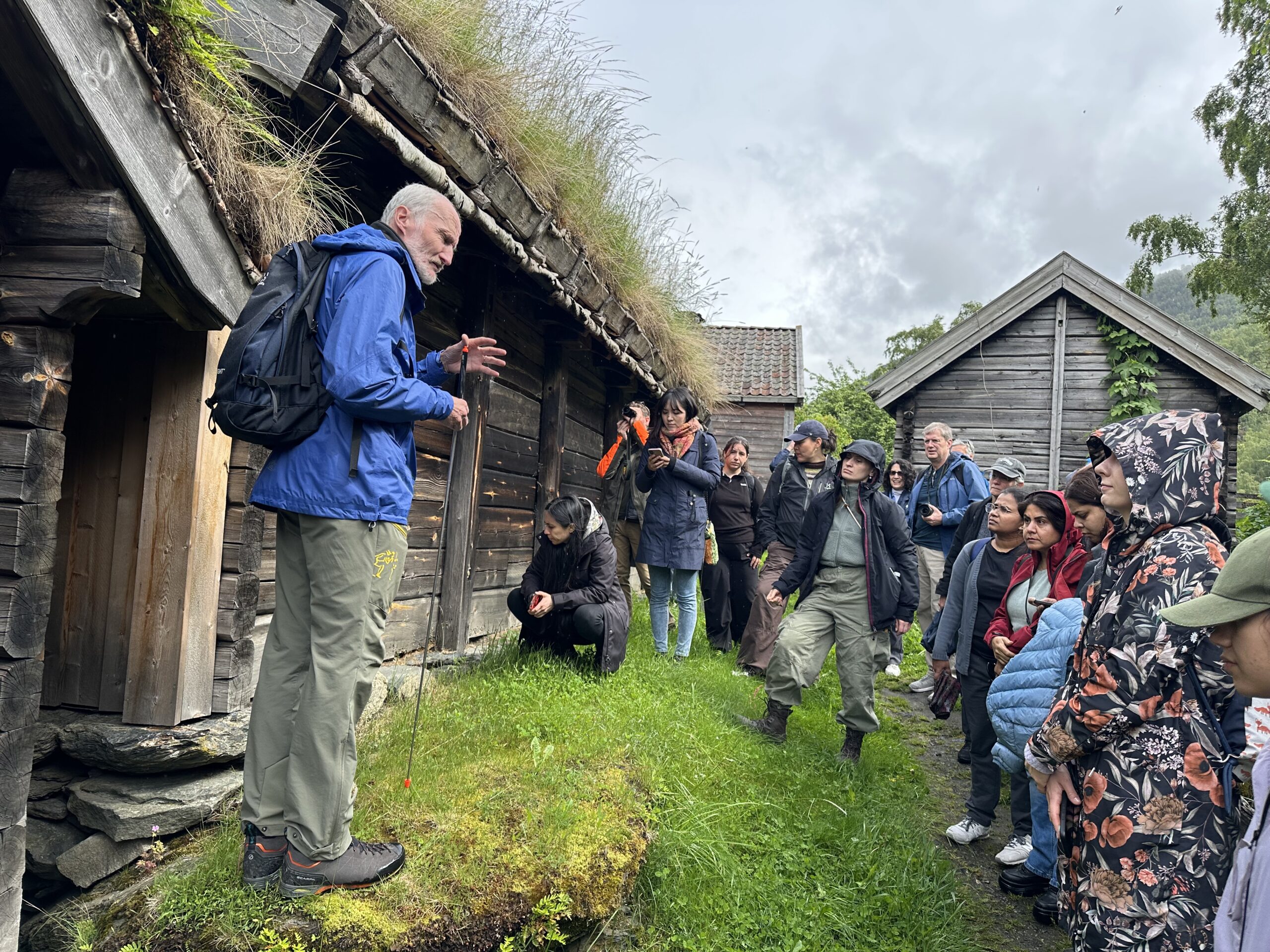
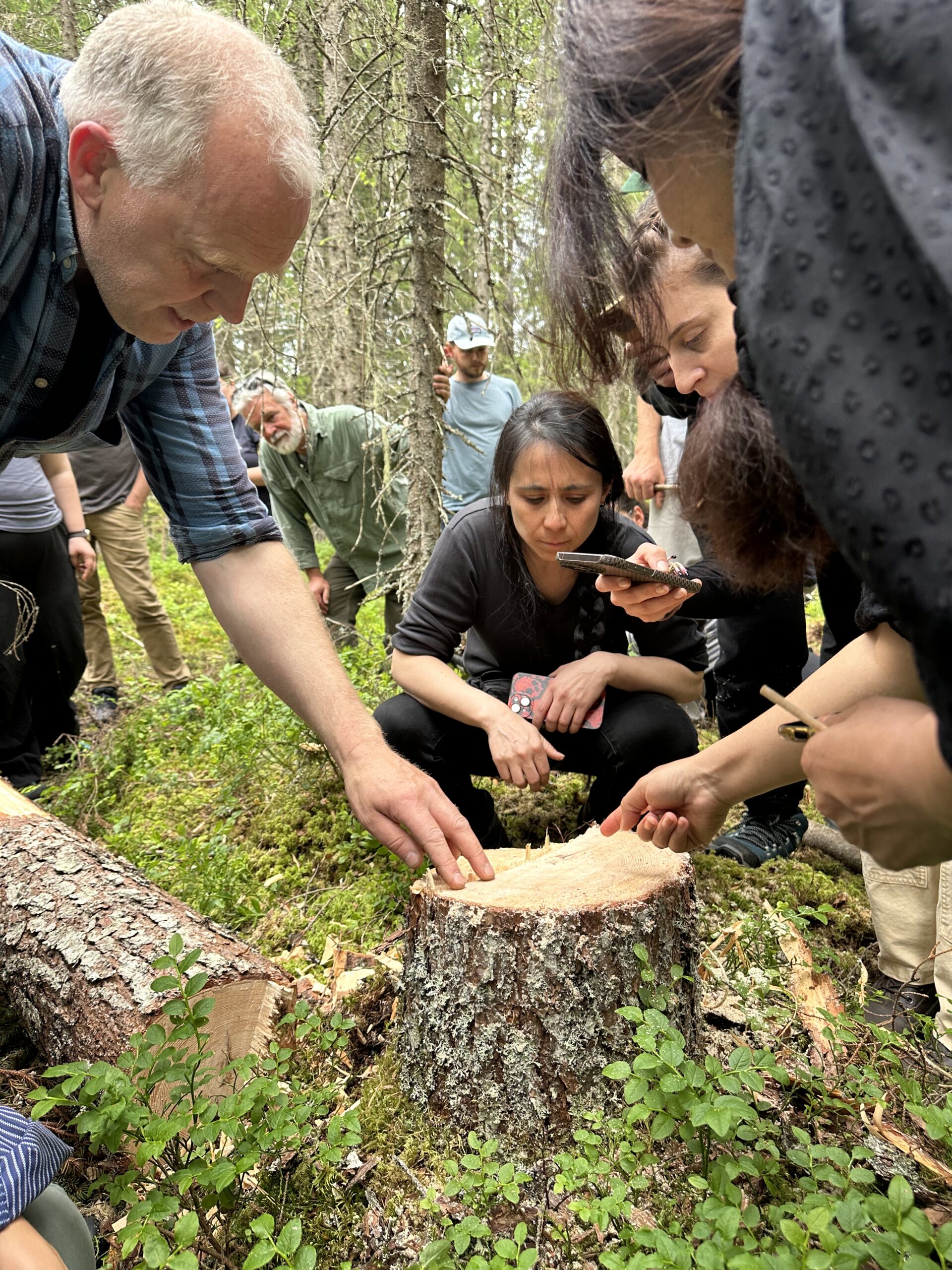
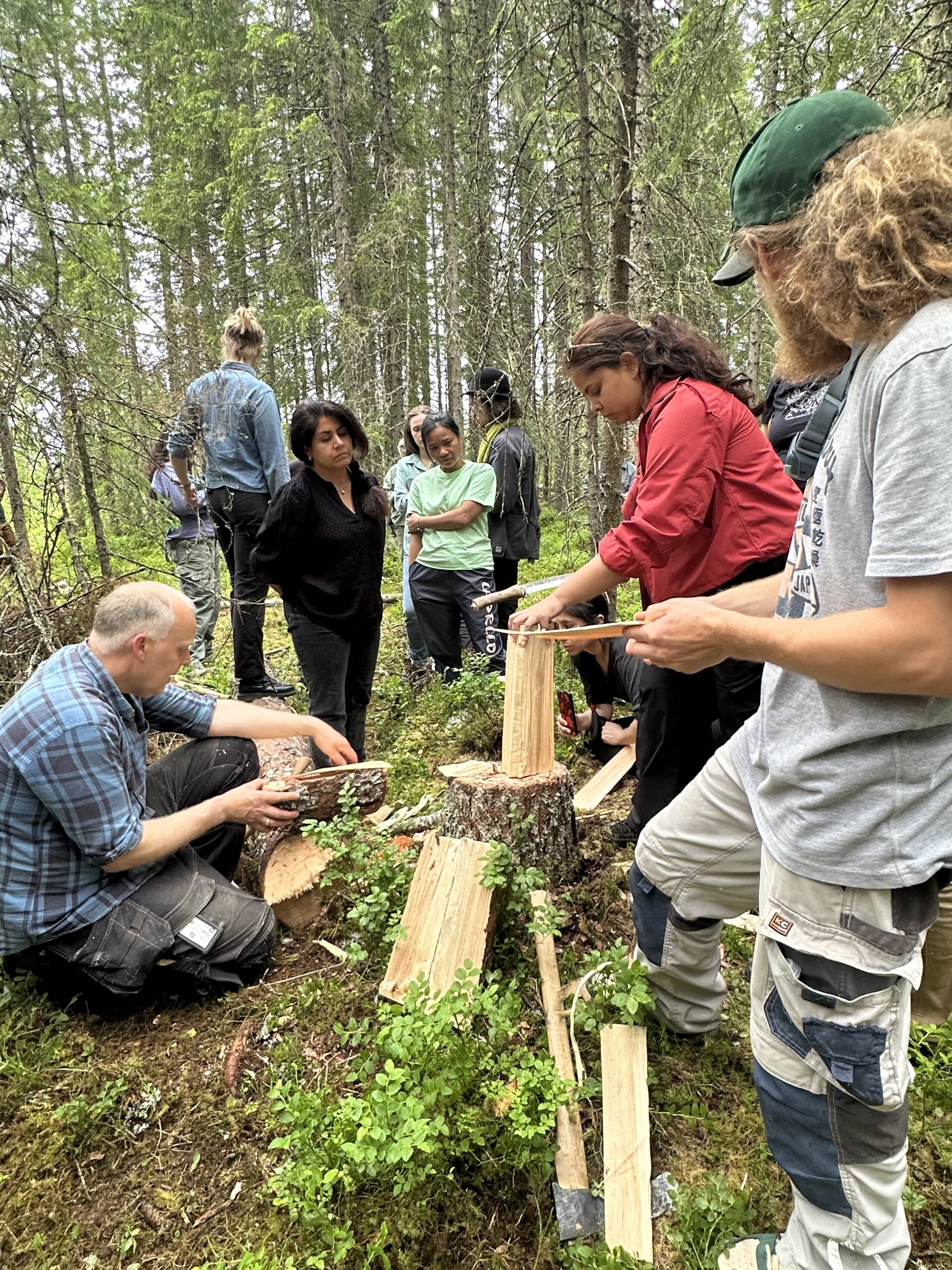
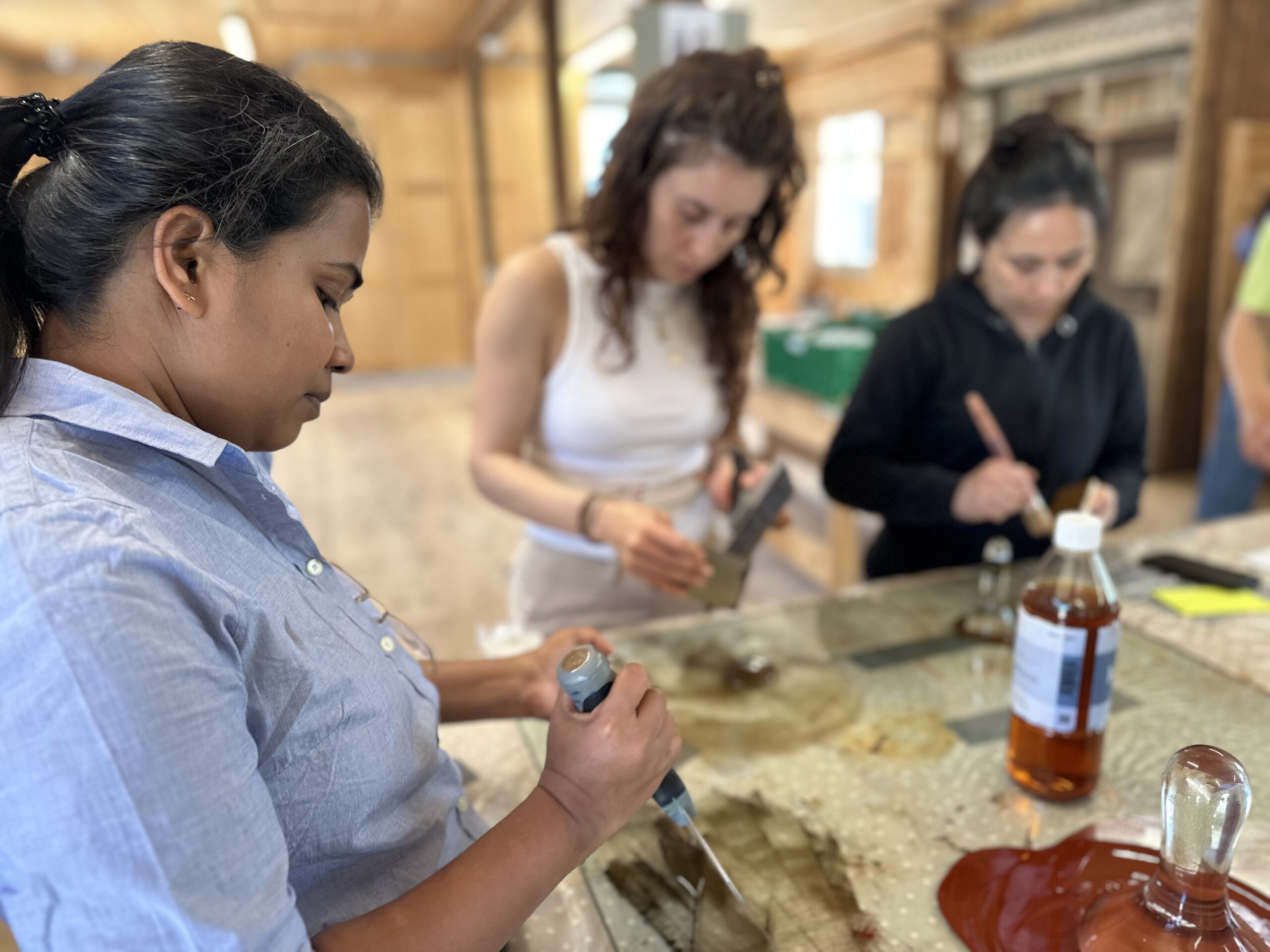
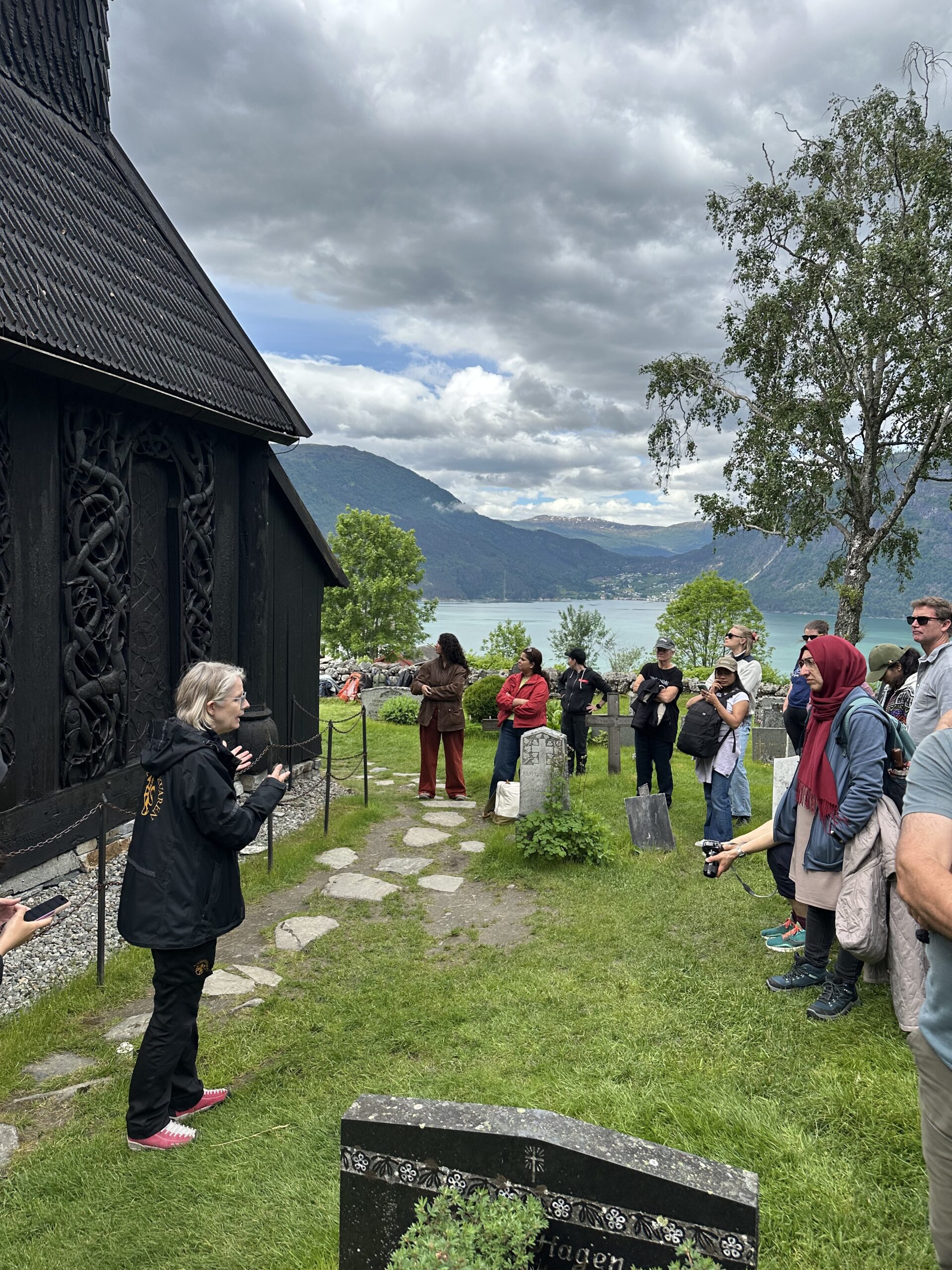
Foto: Anne Nyhamar, Riksantikvaren
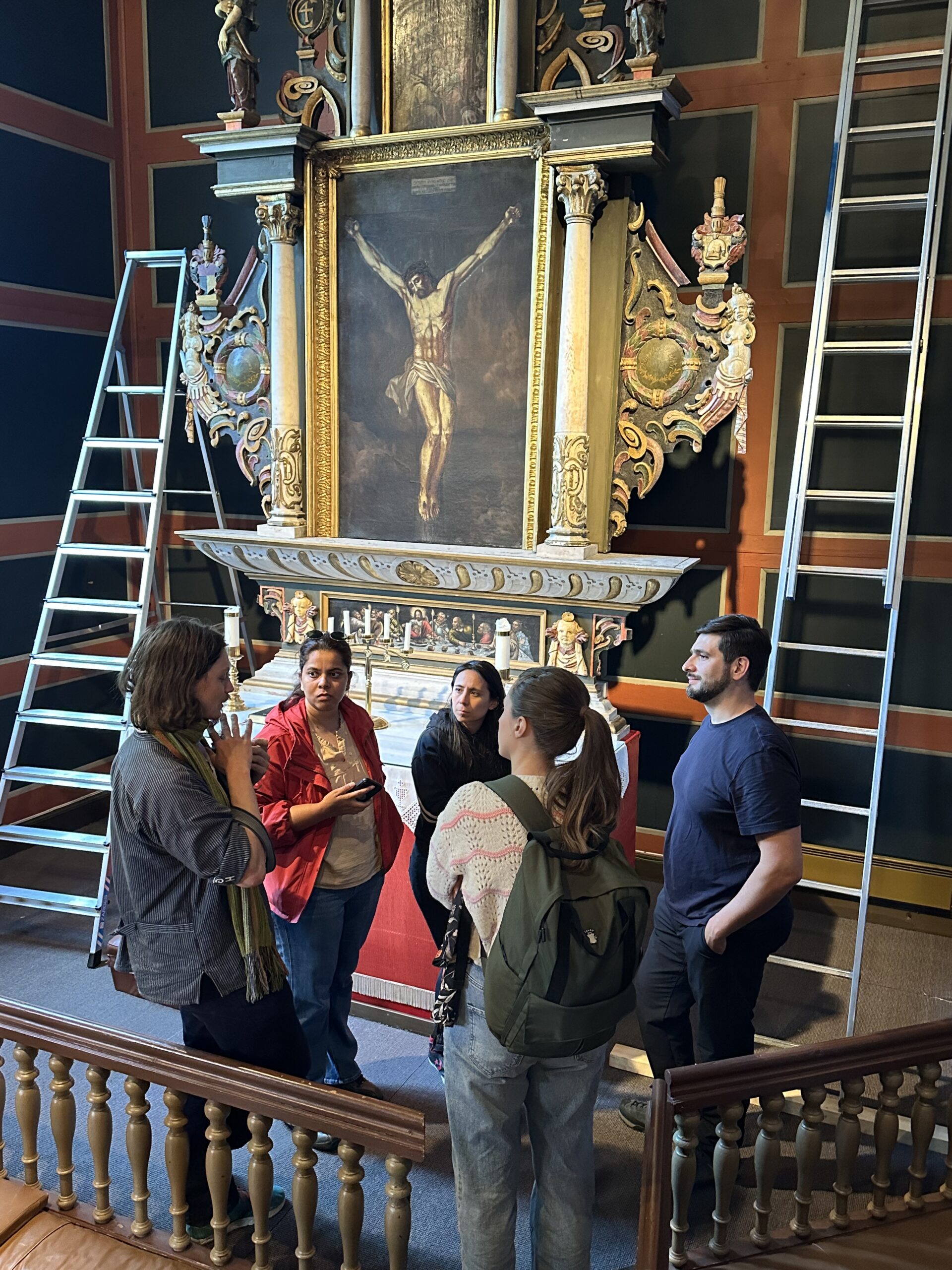
Foto: Anne Nyhamar, Riksantikvaren
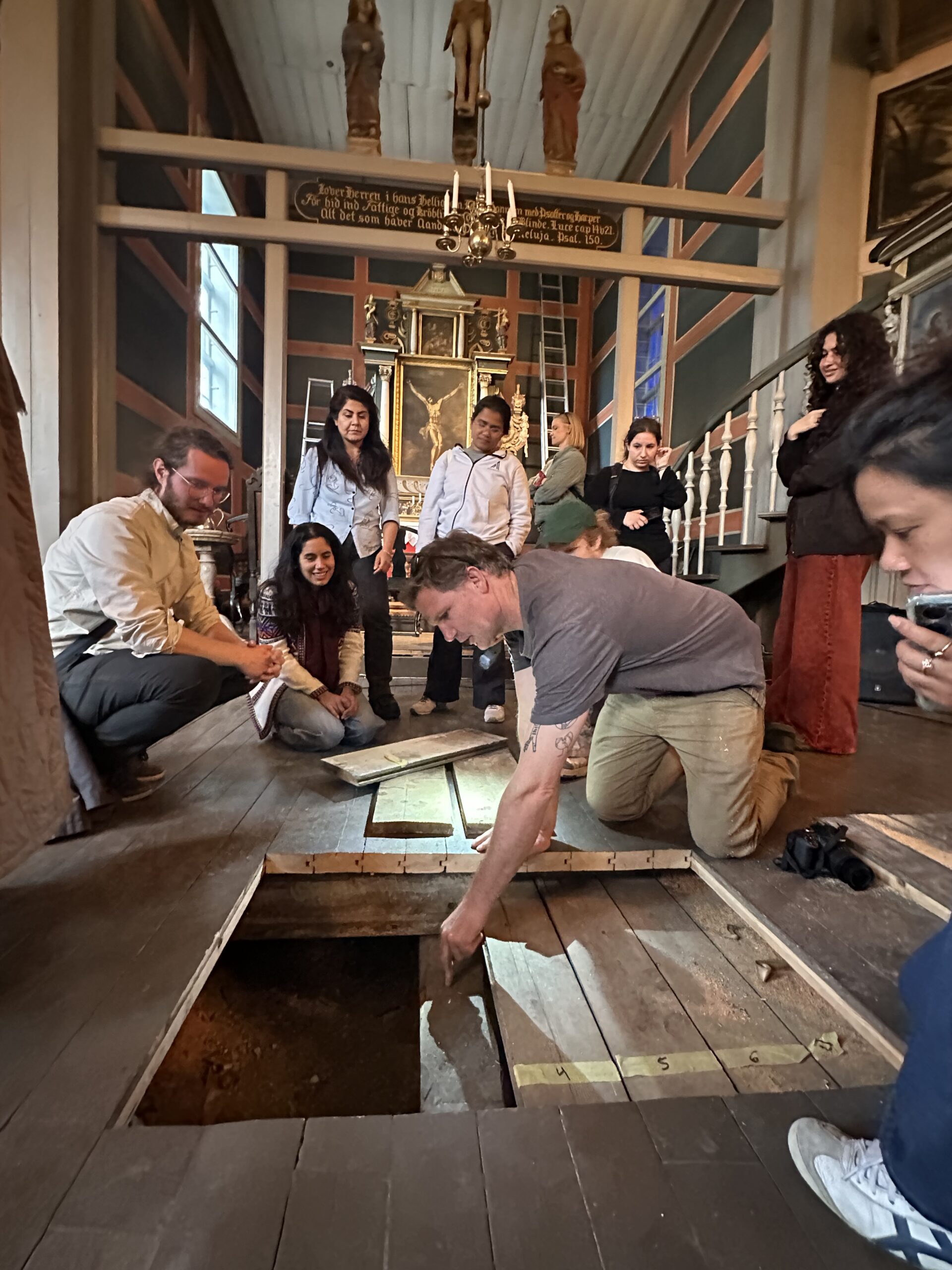
Foto: Anne Nyhamar, Riksantikvaren
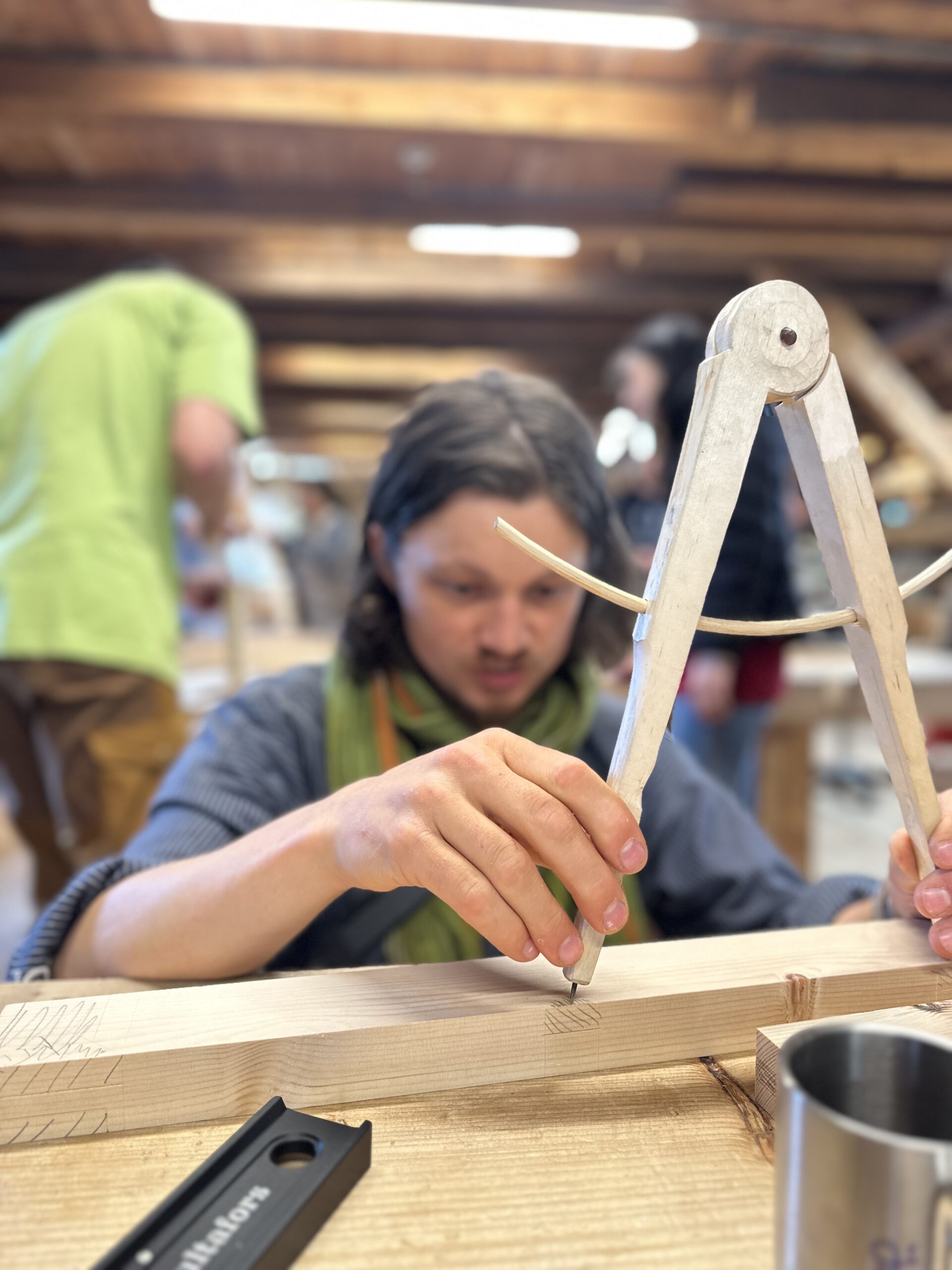
Foto: Anne Nyhamar, Riksantikvaren
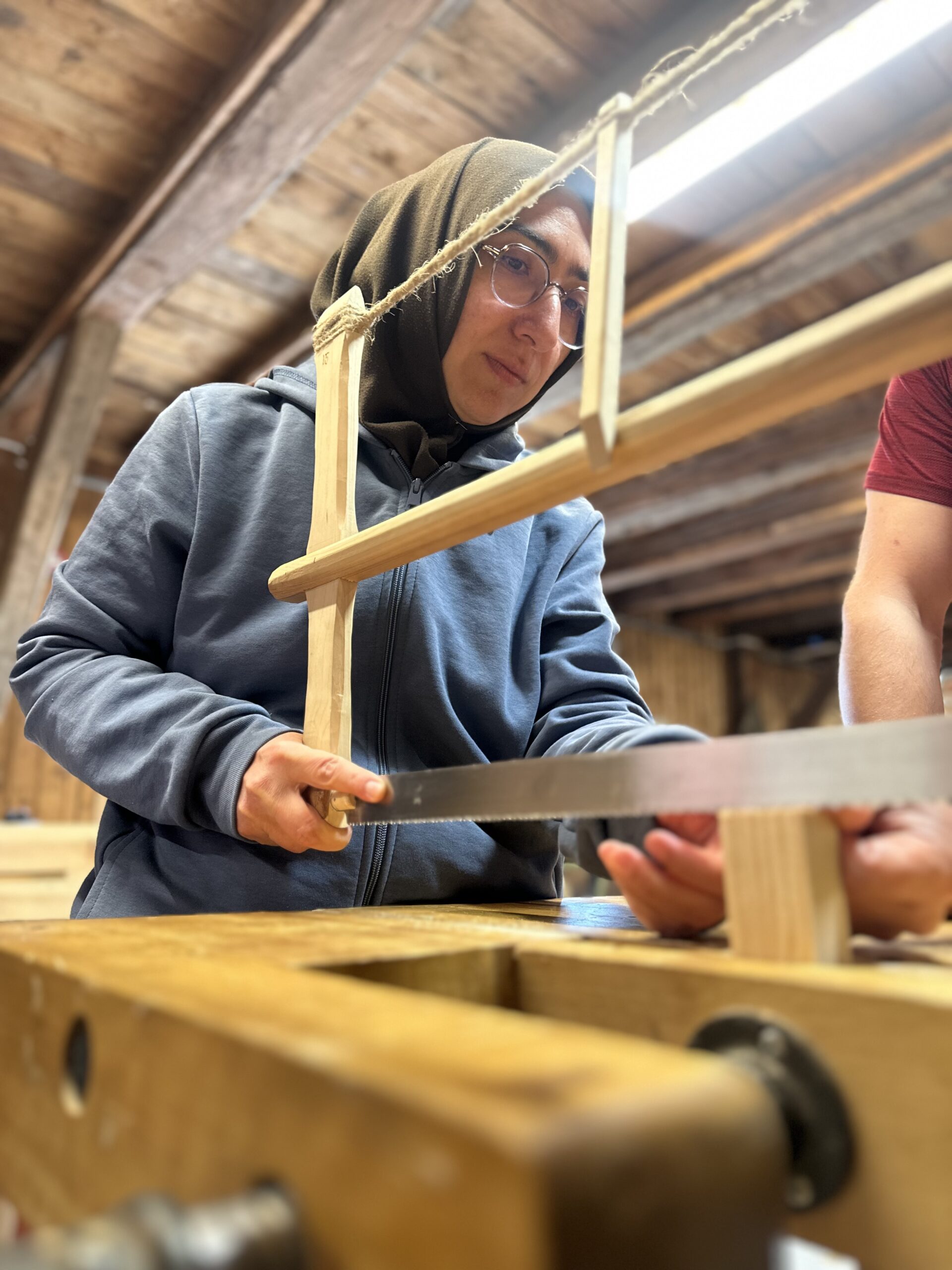
Foto: Anne Nyhamar, Riksantikvaren
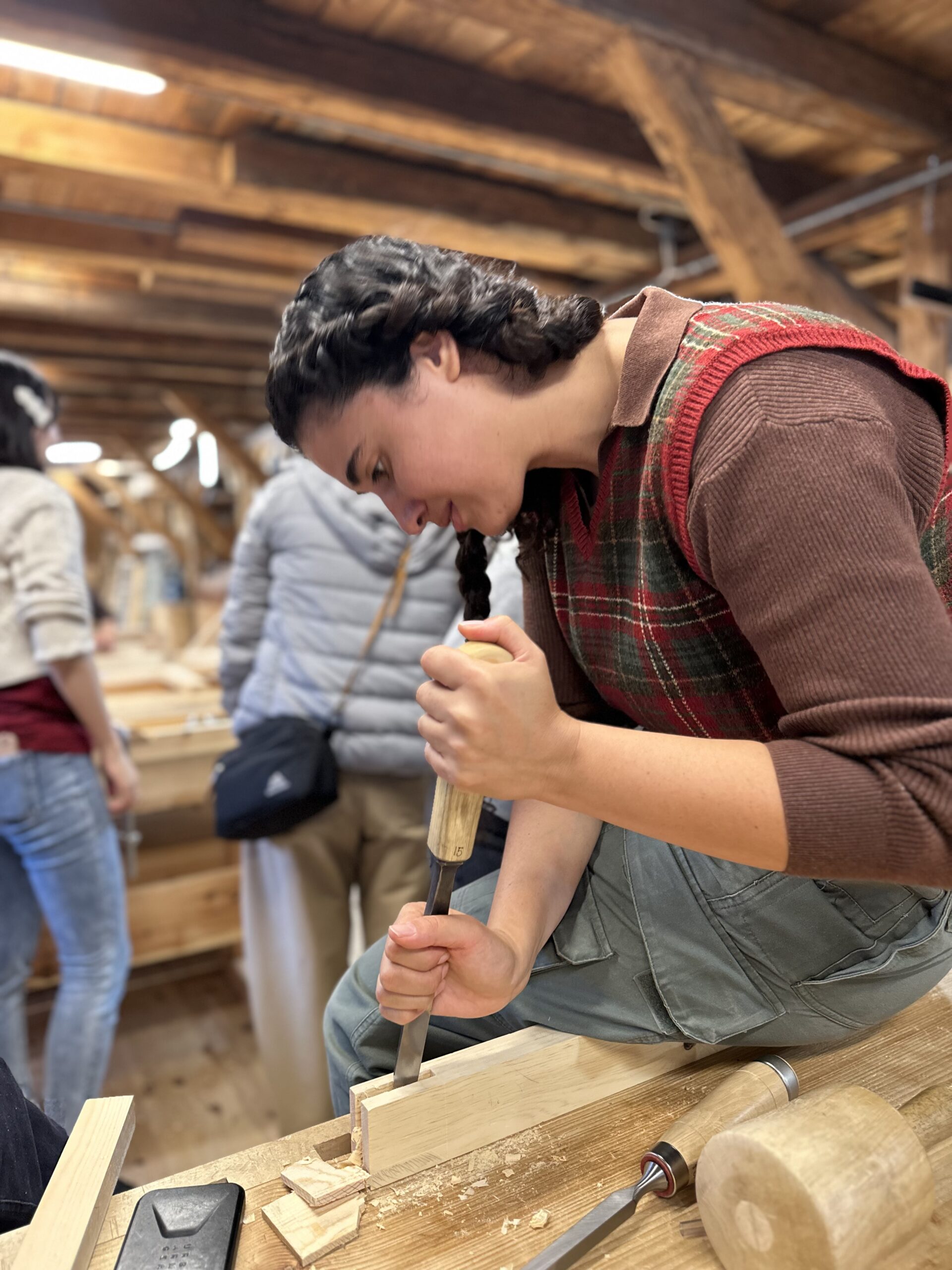
Foto: Anne Nyhamar, Riksantikvaren