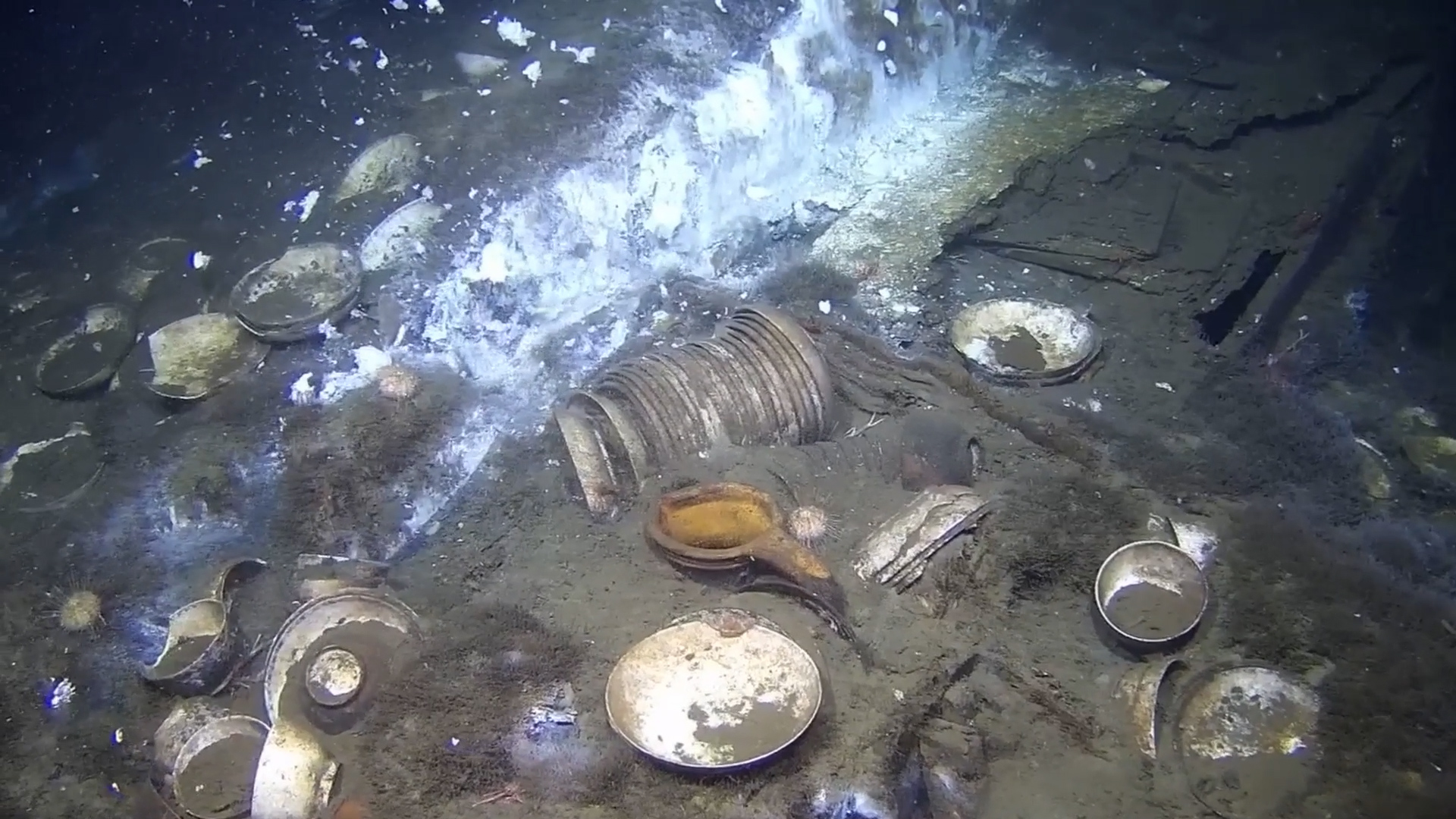
The extraordinary discovery, known as the Porcelain Shipwreck, lies at a depth of 600 metres in the Skagerrak strait off the Norwegian coast.
‘This find is not only extraordinary, it’s also of considerable scientific value and demonstrates an important technological advancement in underwater archaeology. It provides us with new and valuable insight into Norway’s and Northern Europe’s maritime history, and will be of great importance for archaeological research and dissemination, as well as cultural heritage management’, says Norway’s Minister of Climate and Environment, Andreas Bjelland Eriksen.
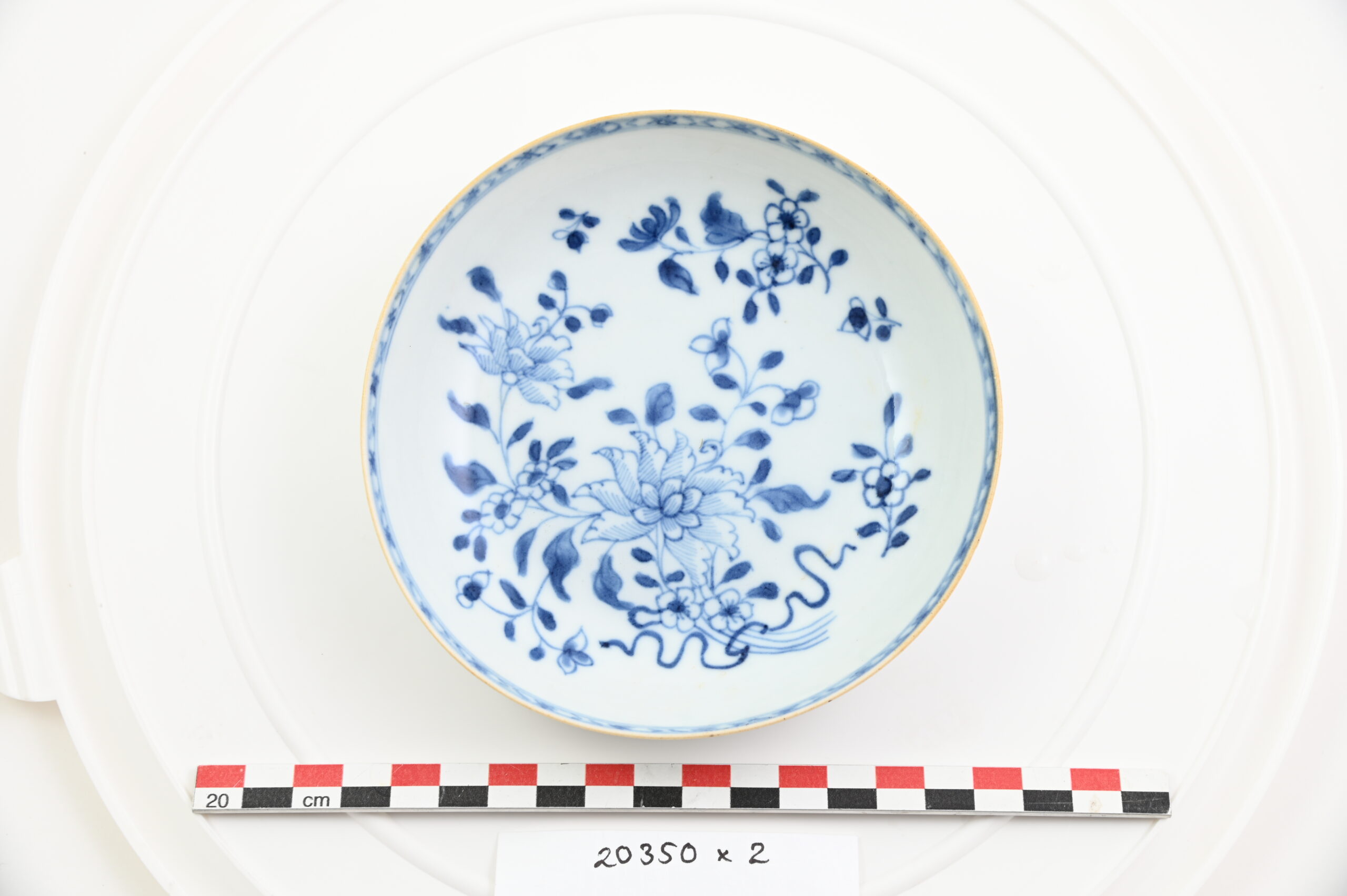
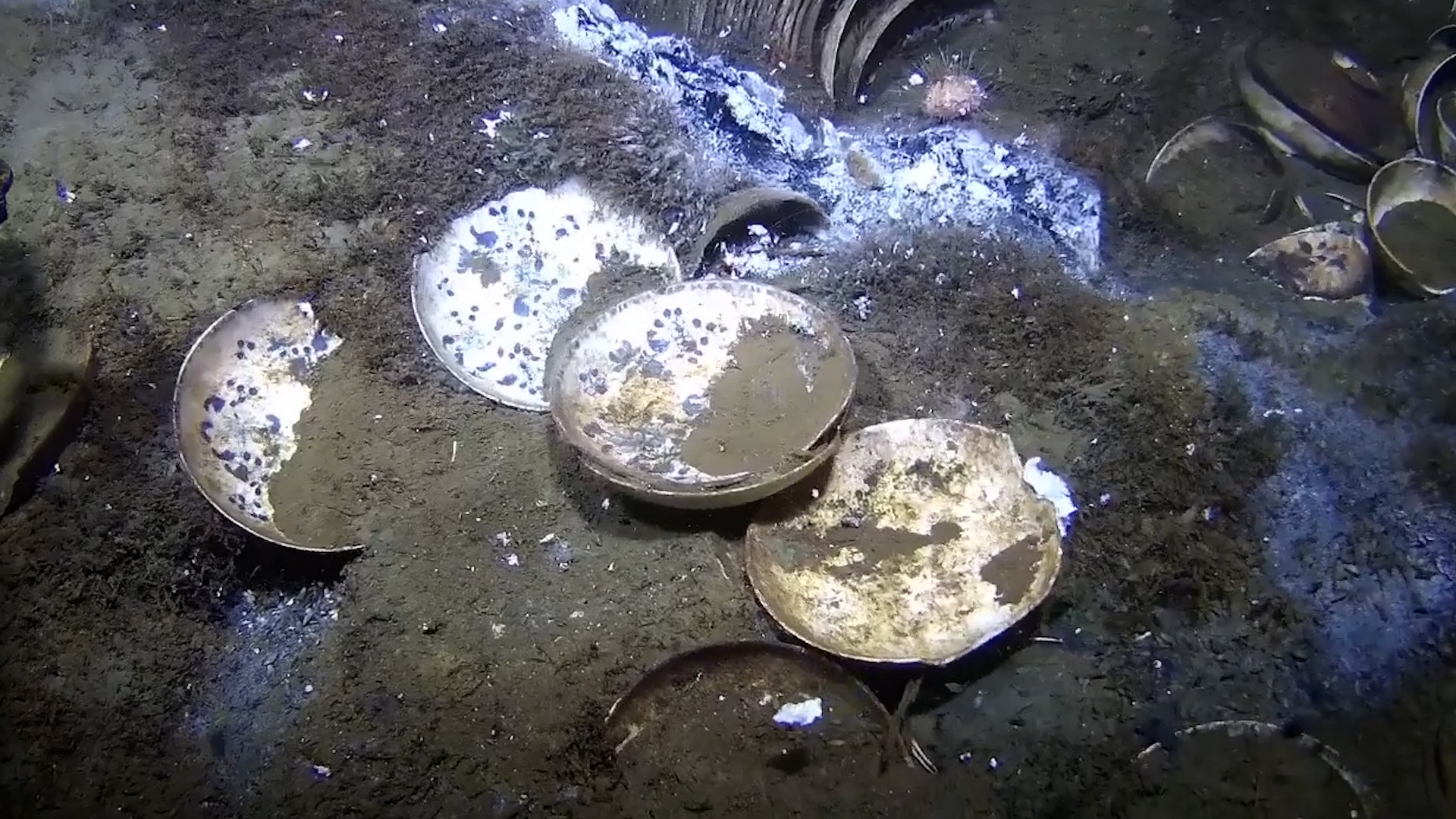
Believed to have sunk around the mid-18th century, the vessel contains an exceptionally well-preserved cargo of Chinese porcelain.
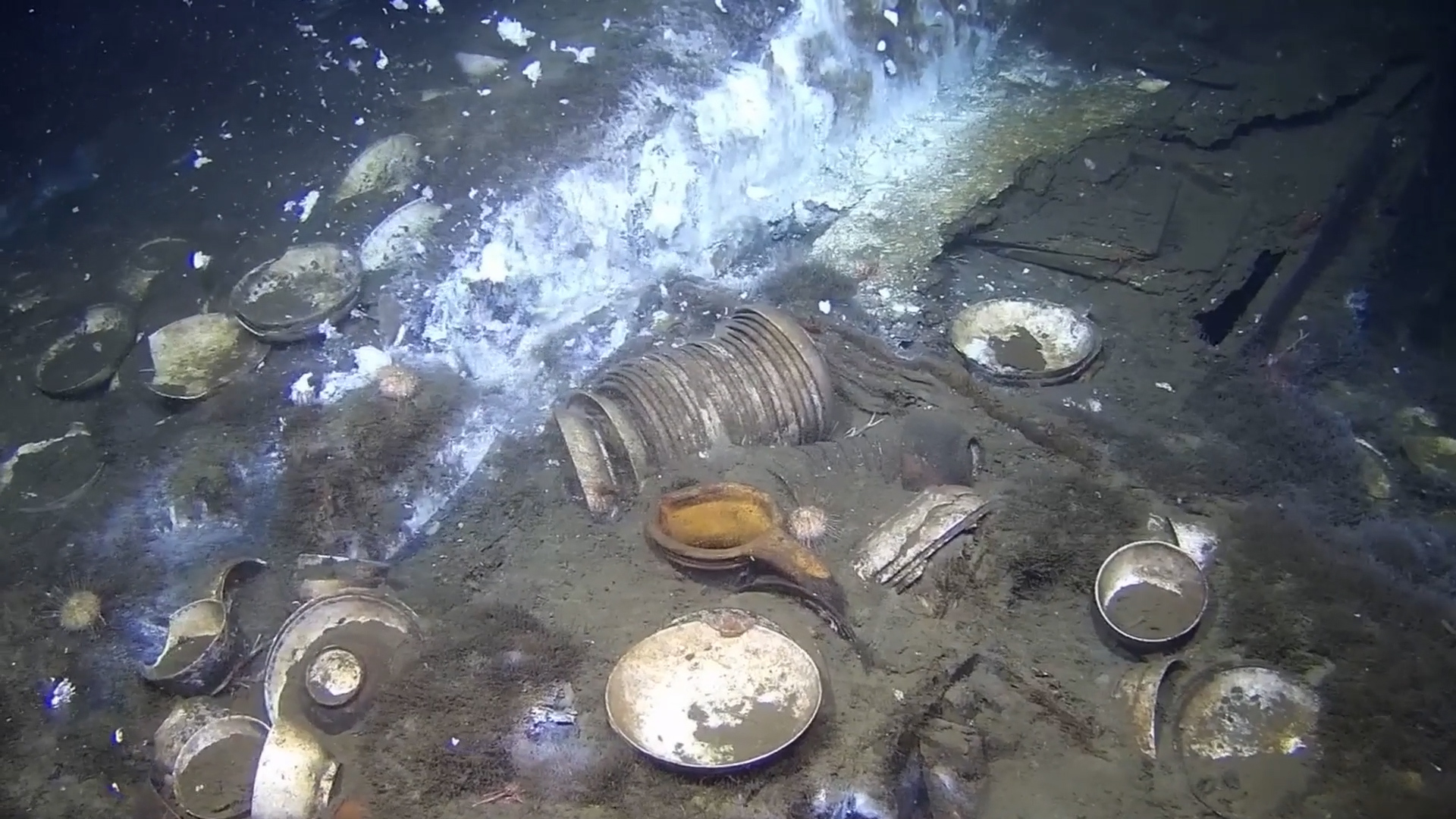
Archaeologists have also recovered chandeliers, goblets, textiles, grain and crates believed to hold tea, herbs and medicines. Work is ongoing, and the archaeologists continue to make new discoveries.
No comparable discovery of this kind has previously been made in Northern Europe.
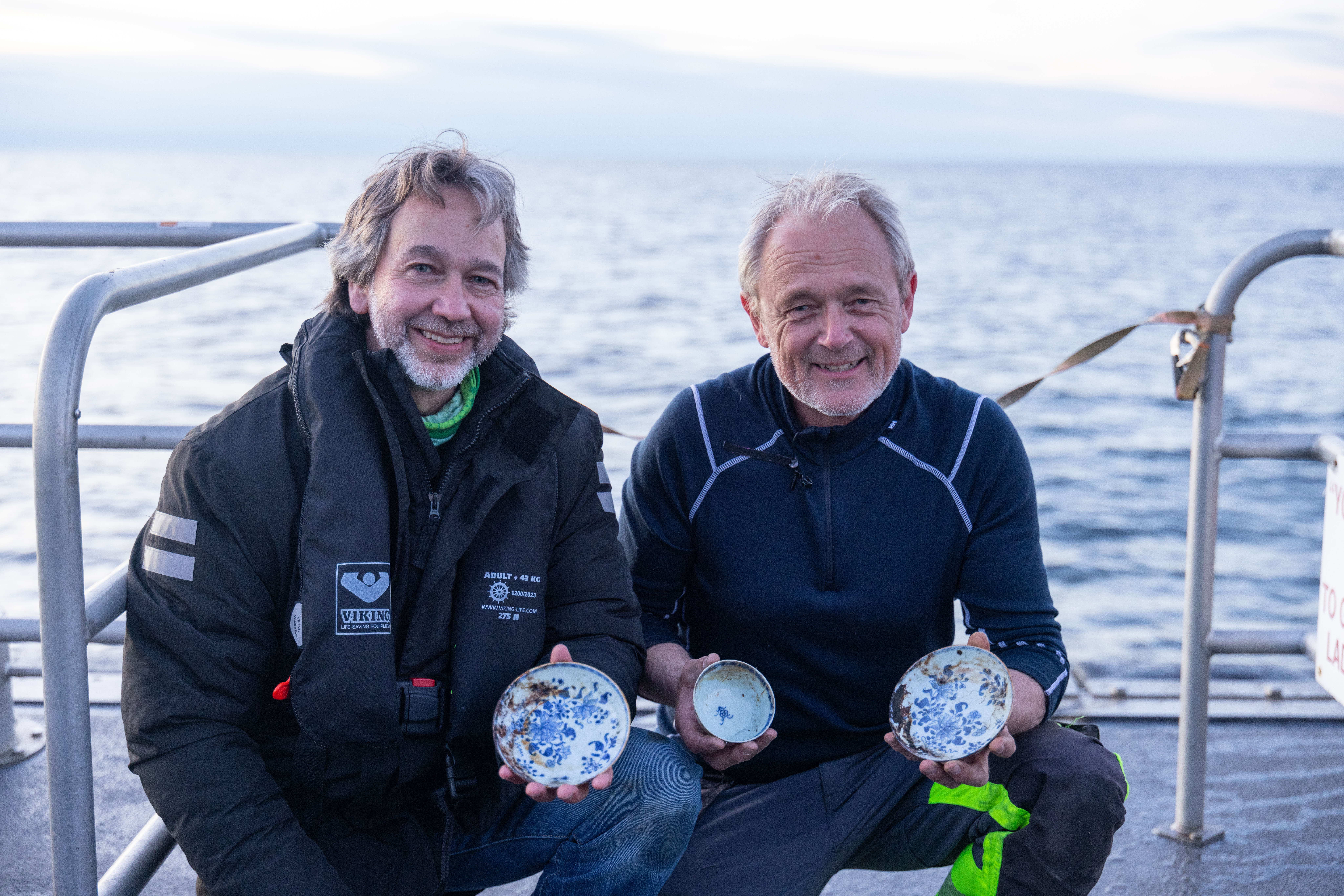
Discovered by a watchmaker from south-east Norway
The wreck was discovered by Espen Saastad, owner and watch designer at Saastad Ur in Porsgrunn, who also operates a small ROV and survey company.
Saastad alerted the authorities and is now taking part in the investigation of the wreck together with the Norsk Maritimt Museum, including the recovery of artifacts. The museum’s archaeologists and cultural historians are currently conserving and documenting the finds to further investigate the history and origin of the ship and the recovered objects.
The Norwegian Directorate for Cultural Heritage has provided NOK 2.9 million in funding for the work.
The plan is for the rare cargo to eventually be exhibited at the Norwegian Maritime Museum in Oslo. A selection of objects will go on display in June, giving the public a unique opportunity to see them before they are sent for further analysis.
‘Shipping has been central to Norwegian culture since time immemorial. This discovery could offer new insights into Norway’s coastal heritage. The recovery effort highlights the Norwegian Museum of Cultural History Foundation’s unique breadth of expertise and its ability to undertake complex projects that advance research and serve the public interest’, says Norway’s Minister of Culture and Equality, Lubna Jaffery.
The Norwegian Maritime Museum is part of the Foundation, which also includes Eidsvoll 1814, Bogstad Manor, Bygdø Royal Manor, the Ibsen Museum and Theatre, and the Norwegian Museum of Cultural History.
The shipwreck is automatically protected
The Norwegian government is grateful to Saastad for acting responsibly when he discovered the shipwreck and for notifying the authorities.
‘The new and unique knowledge this discovery will generate is thanks to the actions of Espen Saastad’, says Bjelland Eriksen.
The shipwreck is now automatically protected under Norway’s Cultural Heritage Act.
‘I had to pinch myself when I realised the scale of the find – it was hard to believe. I’m now looking forward to learning more about the ship’s history’, says the Director General of the Directorate for Cultural Heritage, Hanna Geiran
‘Shipwrecks and cultural heritage sites along the Norwegian coast provide a wealth of knowledge about thousands of years of coastal history. Archaeological material from these sites is important for research and heritage management, particularly when preserved as well as this find’, Geiran adds.
A new era for Norwegian archaeology
The porcelain is believed to be of Chinese origin, while the chandeliers are thought to be of German or English design. However, further research is needed to determine where the vessel came from and where it was heading.
‘This marks the beginning of a new era for Norwegian archaeology. Shipwrecks found off the coast are often damaged or have already been looted. Our discovery in open waters at such a depth gives us the opportunity to study a remarkably well-preserved time capsule. It’s a rare opportunity to access the past’, says the Director of the Norwegian Museum of Cultural History Foundation, Nina Refseth.
Facts about the Shipwreck Discovery in the Skagerrak: the Porcelain Shipwreck
The wreck was discovered by Espen Saastad, a watchmaker from Porsgrunn in south-east Norway who also works as a commercial diver in his small survey and salvage business.
The wreck was found in the Skagerrak at a depth of 600 metres. It lies in Norwegian waters in the Skagerrak strait between Norway and Denmark. The exact location is being withheld to protect the site and for safety reasons.
The Norwegian Maritime Museum has initiated a preliminary investigation ahead of a potential excavation, supported by NOK 2.9 million in funding from the Norwegian Directorate for Cultural Heritage.
Initial work included video recording of the wreck site and a photogrammetric survey to create a detailed 3D model. Photogrammetry is a method used to measure and document sites with high precision and produce accurate digital reconstructions. The museum’s archaeological department uses photographic documentation to record historical material and safeguard its cultural and scientific value for future generations.
In May 2026, marine archaeologists spent several days investigating the wreck from a research vessel. They recovered samples and diagnostic artefacts representing the different types of material identified at the site.
The work was carried out using an underwater remotely operated vehicle (ROV) equipped with a robotic arm, a suction device and camera systems. The ROV is connected to the research vessel by a one-kilometre cable and is operated from a control room on board.
Conservators are carefully cleaning the recovered objects and protecting them from deterioration. They are also working to establish a more precise date and provenance, and are assessing the quantities involved. The provenance of an object refers to its biography or chronological history.
The interdisciplinary team, which also includes art historians and historians of culture, employs a range of methods to study the artefacts individually and the wreck as a whole within its historical context.
The vessel appears to be a round-sterned galiot, a type of merchant ship characteristic of Northern Europe. It had two masts and is estimated to have measured about 22 metres in length.
The ship’s structure appears to lie almost upright on its keel on the seabed. At the bow, the forward section of the vessel, two anchors and an anchor hawse have been found. At the stern, the structural joint between the keel and the sternpost is visible. The rudder is missing. Along the starboard and port sides, the entire hull is exposed, revealing the frames, inner planking and outer hull planking – the ship’s internal structure and outer shell.
The keel is likely deeply embedded in the sediment, but how much of the structure is buried is unclear. The cargo is largely contained within the vessel, except where a fishing net has displaced cargo in a few areas. Various pieces of equipment can be seen, including blocks, hawseholes, anchors, ropes, a possible spyglass, galley fittings and a cast iron stove. However, no cannons have been found.
We call it the Porcelain Shipwreck because the first discovery at the site was a large quantity of porcelain.
The cargo of the Porcelain Shipwreck is unlike anything ever found in shipwrecks in Northern Europe.
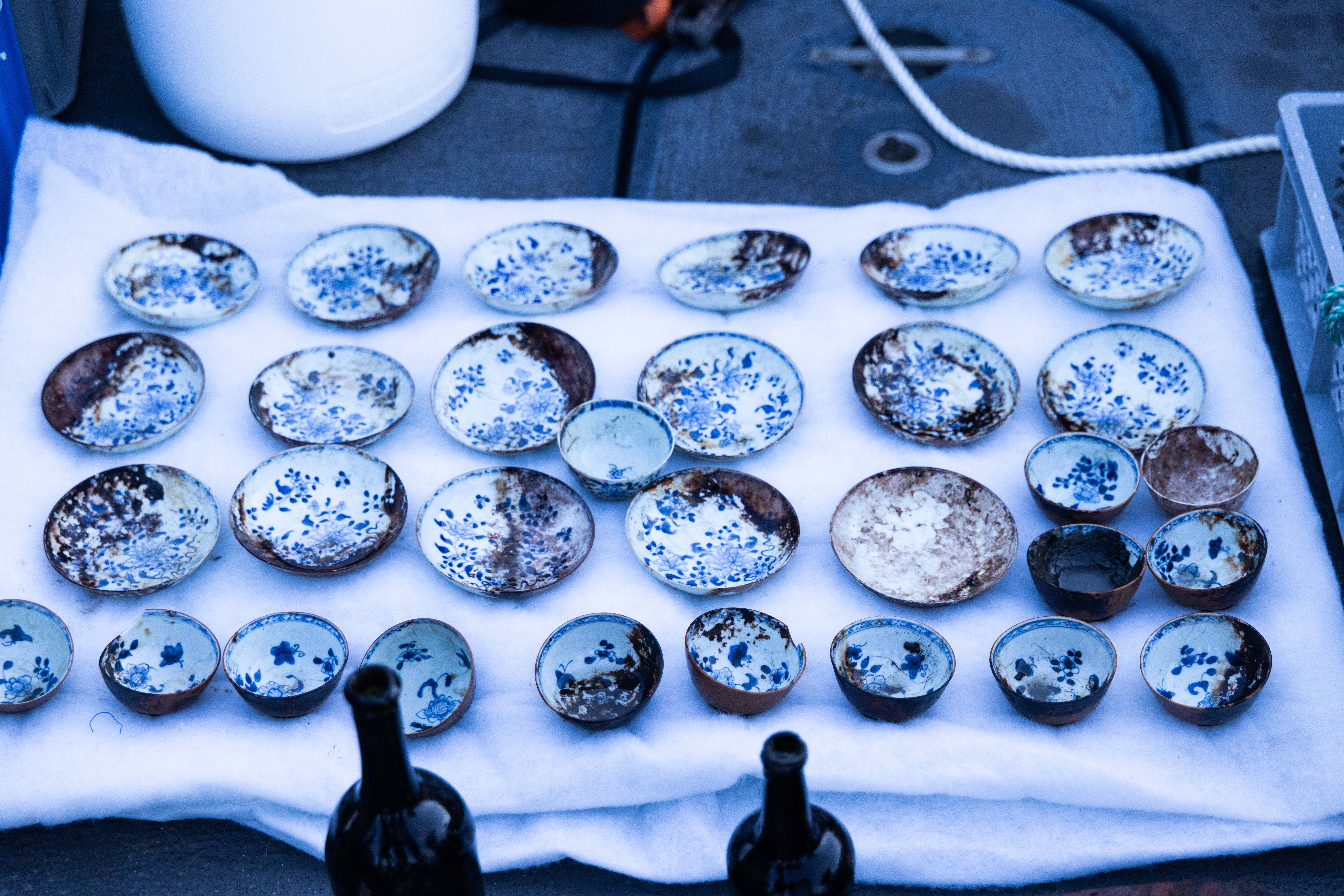
So far, large quantities of Chinese porcelain have been identified, together with parts of chandeliers, goblets, bottles and barrels of grain. Rows of crates have also been discovered but have not yet been examined. One of these appears to contain textiles, while another has a range of organic material, which may include tea, herbs and medicines.
Samples of the grain have been sent for DNA analysis.
The porcelain is predominantly decorated in blue and white, although there are also examples of Batavia ware, with a brown-glazed exterior and a blue and white interior. Some of the porcelain may be Blanc de Chine, a type of white porcelain. The base of a cup appears to show traces of a monogram. The porcelain is thought to date from the mid-18th century.
Numerous chandelier fragments have been recovered, possibly made in Germany or England. Three goblets and three bottles have also been recovered, including a dimpled glass bottle.
A brick from the ship’s galley bears the stamp of Lübecker Ratsziegelei, a brickworks in Lübeck which was in operation from the 15th century until 1772.
The recovered material suggests that the ship sank around 1750, a period of major political, economic and social change in Northern Europe. The previously separate markets for raw materials and luxury goods were merging into an integrated maritime trading system. Meanwhile, the rise of the bourgeoisie and growth in international trade led to a sharp increase in commerce and shipping activity.
This marked the beginning of a modern consumer society and the emergence of Norway as a leading maritime nation in the centuries that followed.
It is not yet known where the ship sailed from or where it was heading.
The shipwreck is automatically protected under Norway’s Cultural Heritage Act.
For more details, see the Norwegian Directorate for Cultural Heritage’s guidance note.
Shipwrecks often remain on the seabed because recovery, conservation and research require substantial resources. In dark, low-oxygen conditions underwater, wrecks can remain preserved for hundreds of years. Shipwrecks represent a unique body of knowledge. The archaeological material is of great importance for research and dissemination, as well as cultural heritage management. Underwater heritage sites and historic environments are crucial for deepening our understanding of the sea, coastal life and the use of waterways throughout history.
Shipwrecks act as time capsules, preserving objects, structures, technologies and traces of human activity that offer unique insight into economic history, international contact and trade. Norway’s waters have borne witness to major naval battles and are the final resting place of the thousands lost at sea. A preserved wreck on the seabed offers a glimpse into the period in history when the ship went down.
The Norwegian Directorate for Cultural Heritage is a government agency under the Ministry of Climate and Environment. It serves as the Ministry’s advisory body on cultural heritage sites and historic environments and is Norway’s central heritage authority, responsible for implementing national heritage policy.
The Directorate provides guidance to local and county authorities, the Sámi Parliament, the Governor of Svalbard and heritage museums. It also makes decisions on statutory protection (listing and designation). The Directorate acts as the appeals body for decisions taken by regional cultural heritage authorities and has the authority to raise objections in planning cases. Further reading.
The Norwegian Maritime Museum is Norway’s leading centre of expertise in maritime archaeology and a key information hub for coastal culture and maritime history. The museum documents, researches and communicates Norway’s maritime heritage, generating new insights into trade, seafaring, technology and historical coastal communities, while preserving knowledge and history for future generations.
The museum is responsible for managing shipwrecks dating from post-1537 that have been recovered onshore. It also oversees underwater heritage sites protected under the Cultural Heritage Act in Oslo and the counties of Akershus, Østfold, Buskerud, Innlandet, Vestfold, Telemark and Agder, as well as offshore areas.
The Norwegian Maritime Museum is a member of an extensive network in maritime archaeology network and leads and takes part in a range of national and international projects and investigations. Further reading.
The museum is part of the Norwegian Museum of Cultural History Foundation, which also includes the Norwegian Museum of Cultural History, Bygdø Royal Manor, Eidsvoll 1814, Bogstad Manor and the Ibsen Museum and Theatre. The Foundation’s sites receive more than half a million visitors each year, including tourists, local residents, school groups, educational institutions and organisations.